
Spine And Joint Pain Center, led by board-certified Dr. Ismail Alhamrawy, MD, provides expert, personalized care for pain and musculoskeletal conditions. With extensive training and experience in pain medicine and rehabilitation, we offer trusted, patient-focused treatments designed to improve mobility and quality of life.
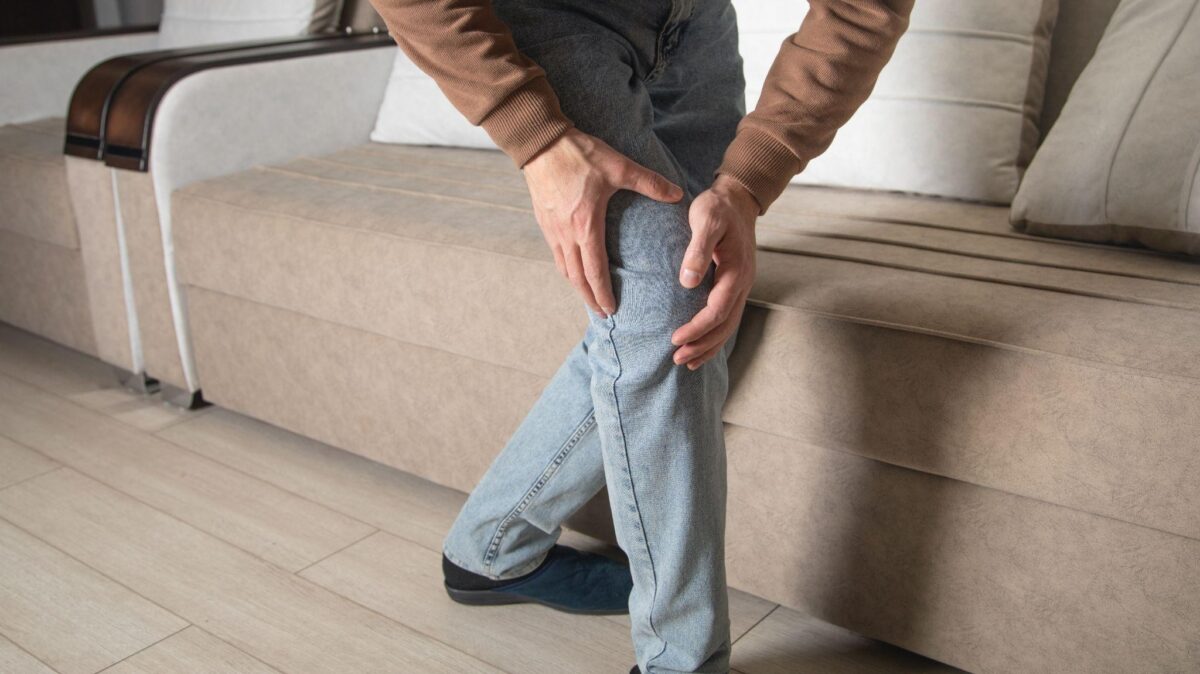
Knee pain when standing up from a sitting positionis a common complaint, especially when getting out of a chair, a car, or after a long period at a desk. But why does this simple movement sometimes hurt?
Quick answer: It can range from temporary stiffness and muscle weakness to conditions such as patellofemoral pain, osteoarthritis, tendon irritation, or cartilage problems. The location, intensity, and timing of your pain can offer useful clues about what’s happening inside the knee.
We at Spine And Joint Pain Center help patients understand the possible source of their knee pain and explore appropriate, personalized treatment options. Our goal is to help you manage discomfort and get back to everyday movement with greater confidence.
In this blog, we’ll walk you through:
- Why does knee pain happen when standing up?
- Common causes of knee pain when standing from sitting
- What can make knee pain worse?
- Treatment options for knee pain
- When to see a doctor
- Final Words
- FAQs
Knee Pain When Standing Up from Sitting: Causes and Treatment Explained
Why Does Knee Pain Happen When Standing Up?
Standing from a seated position may look easy, but it places considerable demand on the knee joint. As you rise, the knee moves from a deeply bent position toward extension while supporting much of your body weight.
If the kneecap, cartilage, tendons, or other structures are irritated, this transition can trigger pain.
You may notice discomfort around the front of the knee, underneath the kneecap, or along either side of the joint. Sometimes, the pain is worse after sitting for a long time and eases once you start walking.
This pattern is often associated with problems affecting how the kneecap and knee joint handle pressure.
Common Causes of Knee Pain When Standing From Sitting Position

Patellofemoral pain involves the area around or behind the kneecap. It may become more noticeable when standing after prolonged sitting, climbing stairs, squatting, or bending the knee.
Weakness in the muscles around the hips and thighs can sometimes contribute to poor movement mechanics and increased stress around the kneecap.
Osteoarthritis is another possible reason for knee pain when standing up from a sitting position. As the protective cartilage within the joint changes over time, the knee may become painful and stiff.
Some people experience their worst discomfort when they first start moving after sitting. Stiffness may gradually improve after a few minutes of activity.
The cartilage beneath the kneecap allows smooth movement as your knee bends and straightens. Damage or wear in this area can cause pain during movements that put pressure on the kneecap.
You may also notice grinding, popping, or discomfort while climbing stairs or getting up from a low chair.
The meniscus acts as a cushion between the bones of your knee. A tear can cause pain, particularly when twisting, squatting, or standing.
If your knee also catches, locks, swells, or feels unstable, it’s worth getting it evaluated rather than trying to push through the symptoms.
The patellar tendon connects the kneecap to the shinbone. Repetitive activities such as running, jumping, or frequent squatting can irritate it.
Pain may become noticeable when straightening the knee or pushing yourself upward from a chair.
What Can Make Knee Pain Worse?
Certain everyday habits can put additional stress on your knees. Sitting for hours without moving, suddenly increasing exercise, repeatedly climbing stairs, or performing deep squats may aggravate existing irritation.
Body weight can also influence knee loading. Maintaining a healthy weight, when appropriate for you, may help reduce mechanical stress on the joints.
Your footwear and activity level matter, too. A sudden change from a mostly sedentary routine to intense exercise can leave the knee struggling to adapt.
Knee Pain When Standing Up From Sitting: Treatment Options

Treatment depends on why your knee hurts. There isn’t a single solution that’s right for everyone.
1. Lifestyle and Activity Changes
If prolonged sitting triggers discomfort, try taking regular movement breaks. Before standing, gently straighten and bend your knee a few times.
Temporarily reducing activities that consistently worsen your pain may also help calm irritation.
2. Physical Therapy
Targeted exercises can strengthen the quadriceps, hips, and other muscles supporting the knee. Physical therapy may also improve flexibility, balance, and movement patterns.
A structured exercise program can be particularly useful when muscle weakness contributes to knee discomfort.
3. Medication and Conservative Care
Depending on the cause and your overall health, a healthcare professional may recommend appropriate pain-relieving or anti-inflammatory medication.
Ice may also provide temporary relief when inflammation or soreness follows activity. However, ongoing symptoms shouldn’t be treated with home care alone without understanding the underlying cause.
4. Injections and Pain Management
When conservative measures don’t provide enough relief, certain patients may benefit from knee injections or other interventional pain management treatments.
At Spine And Joint Pain Center, we assess your symptoms and medical needs before recommending an appropriate approach. Our team focuses on personalized pain management tailored to your condition, rather than a one-size-fits-all solution.
When Should You See a Doctor?
Occasional stiffness isn’t always a cause for concern. But recurring knee pain deserves attention, particularly when it starts interfering with your normal activities.
Consider seeking professional evaluation if you experience:
- Persistent or worsening knee pain
- Significant swelling
- Difficulty walking or climbing stairs
- Knee locking or catching
- A feeling that the knee may give way
- Pain that continues despite rest
- Difficulty putting weight on the leg
Following a significant injury, severe pain, rapid swelling, or an inability to bear weight should be evaluated promptly.
Final Words
So, why do you experienceknee pain when standing up from sitting? It could be simple stiffness, but recurring discomfort may point to patellofemoral pain, osteoarthritis, cartilage changes, tendon irritation, or another knee problem.
Looking for knee pain treatment in NJ? AtSpine And Joint Pain Center, we provide personalized, non-surgical pain management solutions in Belleville, New Brunswick, and Scotch Plains, New Jersey (NJ), designed to help patients reduce pain, improve mobility, and get back to everyday activities.
Contact us today to discuss your knee pain and explore the right treatment approach for better comfort and mobility!
FAQs About Knee Pain
Why does my knee hurt after sitting for a long time?
Prolonged sitting keeps the knee bent and may increase stiffness or pressure around the kneecap. When you stand, the joint must suddenly straighten while supporting your body weight, which can trigger discomfort.
Is knee pain when standing up a sign of arthritis?
It can be. Knee osteoarthritis may cause pain and stiffness after periods of inactivity. However, patellofemoral pain, cartilage problems, tendon irritation, and meniscus issues can cause similar symptoms.
How can I relieve knee pain when getting up from a chair?
Try changing position regularly and gently moving your knee before standing. Strengthening the muscles around your knee and hips may also help. If the pain continues, professional assessment can identify the underlying cause.
When should I seek treatment for knee pain?
If knee pain keeps returning, becomes worse, limits your movement, or occurs with swelling, locking, instability, or difficulty bearing weight, consider getting evaluated by a healthcare professional.
About the Author: Written by the Spine And Joint Pain Center team. We bring professional expertise in pain management, rehabilitation, and musculoskeletal care. Our patient-focused approach combines medical knowledge with personalized treatment strategies to support better mobility and quality of life.
